NVIDIA A16 vs NVIDIA H100 SXM
How the NVIDIA A16 and NVIDIA H100 SXM compare across memory, compute, power and form factor, with the stronger figure highlighted on each row.
| Specification | 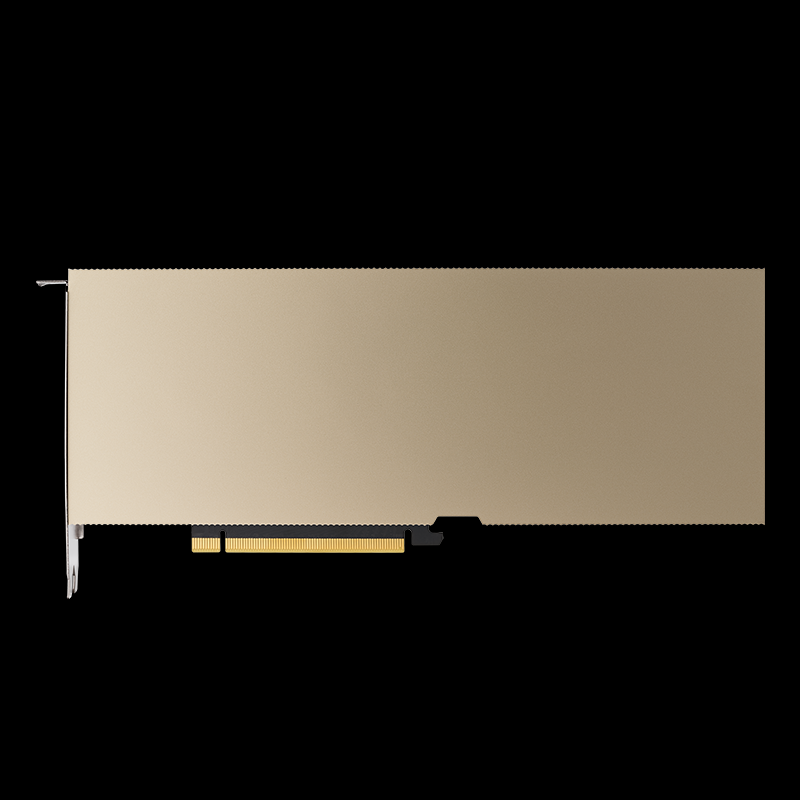 AMPERE NVIDIA A16 View Product → AMPERE NVIDIA A16 View Product → | 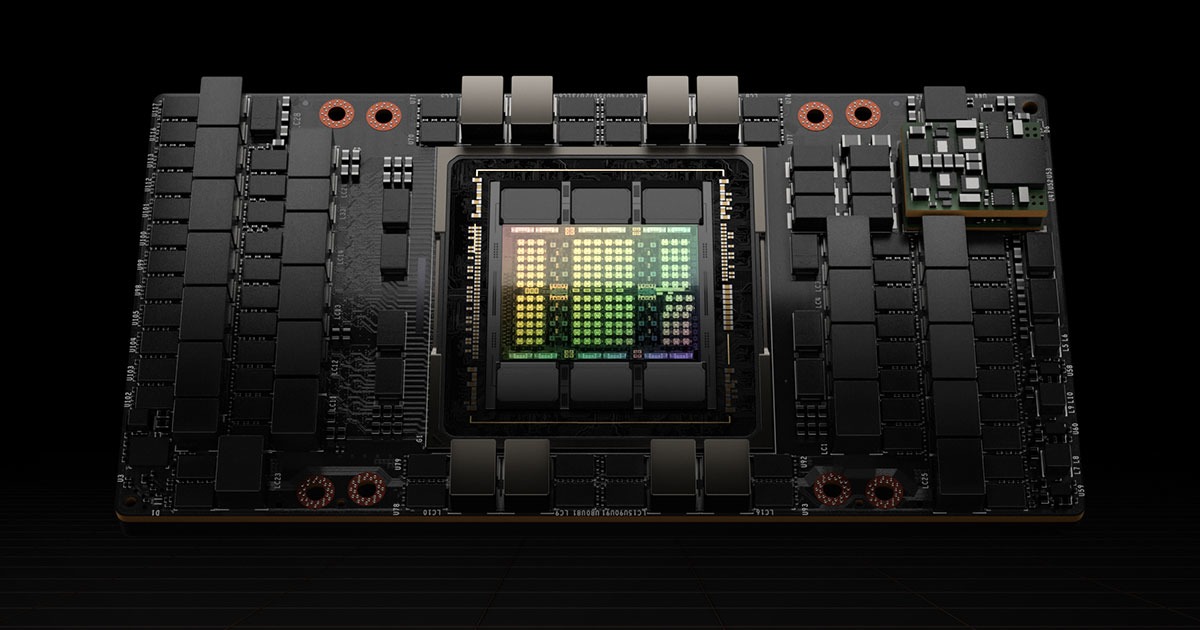 HOPPER NVIDIA H100 SXM View Product → HOPPER NVIDIA H100 SXM View Product → |
|---|---|---|
| Pricing | ||
| Price | – | – |
| Overview | ||
| Architecture | Ampere | Hopper |
| Memory | ||
| Memory | 64 GB GDDR6 ECC (4× 16 GB) | 80 GB HBM3 |
| Memory Bandwidth | 4× 232 GB/s | 3.35 TB/s |
| Compute | ||
| CUDA Cores | 5,120 (4× 1,280) | – |
| Tensor Cores | 160 (4× 40) | – |
| RT Cores / Ray Accelerators | 40 (4× 10) | – |
| FP32 | – | 67 TFLOPS |
| FP64 Tensor | – | 67 TFLOPS |
| TF32 Tensor | – | 989 TFLOPS |
| FP16/BF16 Tensor | – | 1,979 TFLOPS |
| FP8 Tensor | – | 3,958 TFLOPS |
| INT8 Tensor | – | 3,958 TOPS |
| Platform | ||
| Interface | PCIe Gen4 x16 | Gen5 128 GB/s |
| NVLink / Infinity Fabric | – | 900 GB/s (4th Gen) |
| TDP | 250W | Up to 700W (configurable) |
| Form Factor | Dual-slot, full-height, passive | SXM |
| Multi-Instance GPU (MIG) | – | Up to 7 instances (10GB each) |
| GPUs per Board | 4 | – |
Not sure which fits?
Talk to an Expert → Talk it through with a specialist
Tell us your workload and we will recommend the right GPU, configuration, and sourcing options.
More Comparisons
- NVIDIA A16 vs NVIDIA A10 →
- NVIDIA A16 vs NVIDIA A100 80GB →
- NVIDIA A16 vs NVIDIA A2 →
- NVIDIA A16 vs NVIDIA B200 →
- NVIDIA A16 vs AMD Instinct MI210 →
- NVIDIA A16 vs AMD Instinct MI300X →
- NVIDIA H100 SXM vs NVIDIA H100 NVL →
- NVIDIA H100 SXM vs NVIDIA H200 NVL →
- NVIDIA H100 SXM vs NVIDIA H200 SXM →
- NVIDIA H100 SXM vs NVIDIA A10 →